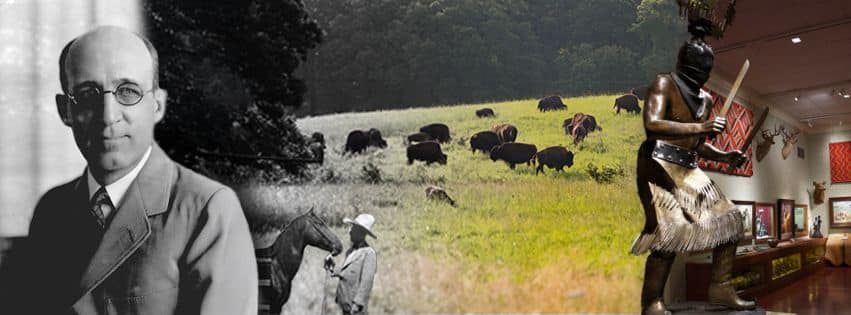
Nestled in the rolling Osage Hills of northeastern Oklahoma, Woolaroc stands as a living testament to the rugged beauty, cultural richness, and pioneering spirit of the American West. For nearly a century, this hidden gem has captivated visitors with its sprawling 3,700-acre wildlife preserve, world-class museum, and deep historical roots.
But Woolaroc is more than just a scenic retreat or a collection of artifacts—it is the embodiment of a vision, a dream brought to life by one of the most influential oilmen in American history: Frank Phillips.
A Sanctuary Born from Industry
To understand Woolaroc, one must first understand its founder. Frank Phillips was not just another businessman riding the wave of the oil boom in the early 20th century—he was a man who saw beyond financial success, recognizing the importance of heritage, nature, and conservation.
By 1905, Phillips had made his mark in the petroleum industry, co-founding Phillips Petroleum Company in Bartlesville, Oklahoma. As his wealth grew, so did his desire to establish a retreat where he could escape the chaos of business and immerse himself in the serenity of nature. That retreat became Woolaroc, a name derived from three defining features of the land: woods, lakes, and rocks.
In 1925, Phillips purchased the land and began shaping it into a private ranch where he could entertain business associates, political figures, and friends. What started as a personal getaway quickly evolved into something much greater—an institution that would preserve history, celebrate art, and protect wildlife for generations to come.
The Heart of the American West: Woolaroc’s Wildlife Preserve
One of Woolaroc’s most striking features is its expansive wildlife preserve, home to a thriving population of bison, elk, longhorn cattle, and other native and exotic species. But the presence of these majestic animals is not by chance; it is a direct reflection of Phillips’ commitment to conservation.
At a time when bison herds were dwindling across North America, Phillips recognized the urgency of preserving these symbols of the frontier. He introduced bison to Woolaroc, ensuring that future generations would be able to witness these powerful creatures roaming freely across the Osage Hills. Over the years, the wildlife population expanded to include zebra, water buffalo, and even ostriches, making Woolaroc one of the most unique wildlife experiences in the Midwest.
Unlike many private hunting reserves of the era, Woolaroc was never designed for sport. Phillips insisted that the land remain a sanctuary, where animals could live without threat and visitors could experience the wonders of nature up close. Today, the Woolaroc Wildlife Preserve stands as a living example of early conservation efforts in the United States, echoing the principles of today’s national parks.
A Museum Unlike Any Other
If the wildlife preserve represents the natural beauty of Woolaroc, the Woolaroc Museum embodies its cultural and historical significance. Opened in 1929, the museum began as a small stone pavilion built to house the Woolaroc airplane, a single-engine monoplane that competed in the 1927 Dole Air Race from California to Hawaii.
But as gifts, artifacts, and artwork continued to pour in, the museum expanded—becoming one of the finest collections of Western art and Native American artifacts in the country.
Today, the Woolaroc Museum boasts an impressive array of exhibits, including:
- Western and Native American Art: Featuring renowned artists like Charles M. Russell, Frederic Remington, and Thomas Moran, the collection highlights the raw beauty and untamed spirit of the West.
- Historical Artifacts: The museum showcases an extensive collection of Native American pottery, weaponry, and textiles, offering insight into the diverse cultures that shaped the region.
- The Woolaroc Airplane: Suspended in a two-level gallery, the historic aircraft serves as a tribute to early aviation and its daring pioneers.
- Firearms and Cowboy Gear: A striking collection of Colt revolvers, Winchester rifles, and cowboy regalia celebrates the craftsmanship and innovation of the frontier era.
Phillips’ passion for history was deeply personal. He believed that preserving the past was a duty to the future, and the museum remains a testament to that philosophy. Unlike the sterile halls of many institutions, Woolaroc offers a museum experience that feels intimate, immersive, and deeply tied to the land on which it stands.
A Gathering Place for Legends
Woolaroc was never just a private retreat; it was a meeting ground for some of the most influential figures of its time. Over the years, it hosted U.S. presidents, Hollywood celebrities, Native American chiefs, and foreign dignitaries. Phillips believed that Woolaroc was a place where all people—regardless of background—could come together to appreciate the beauty and history of the West.
One of Woolaroc’s most famous annual events was the Cow Thieves and Outlaws Reunion, a lively gathering of business moguls, political leaders, and ranchers, where guests dressed as cowboys and bandits to celebrate the rugged past of the frontier. These legendary parties helped solidify Woolaroc’s reputation as a place where history wasn’t just observed—it was lived and celebrated.
The Legacy Lives On
Frank Phillips passed away in 1950, but his vision for Woolaroc endures. The property was placed under the stewardship of the Frank Phillips Foundation, ensuring that its mission—to preserve the history of the West, educate, and entertain—remains unchanged. Today, visitors of all ages continue to explore the land, museum, and wildlife preserve, experiencing firsthand what Phillips sought to protect.
While the world outside Woolaroc has changed dramatically since 1925, the heart of this Oklahoma treasure remains untouched. The rolling Osage Hills still whisper stories of the past, the museum still houses relics of an untamed frontier, and the bison still roam freely under vast Oklahoma skies.
Woolaroc is more than just a destination—it is a bridge between the past and the present, a place where history, nature, and culture converge. And for those who walk its trails, stand before its paintings, or gaze upon its wildlife, the spirit of Frank Phillips still lingers, reminding us all of the importance of preserving the fundamental things in life.

Betty says
Just visited Woolaroc and it was inspiring to experience, and to learn what a visionary Frank Phillips was that affected how he spend his life. I am now a fan of the man.