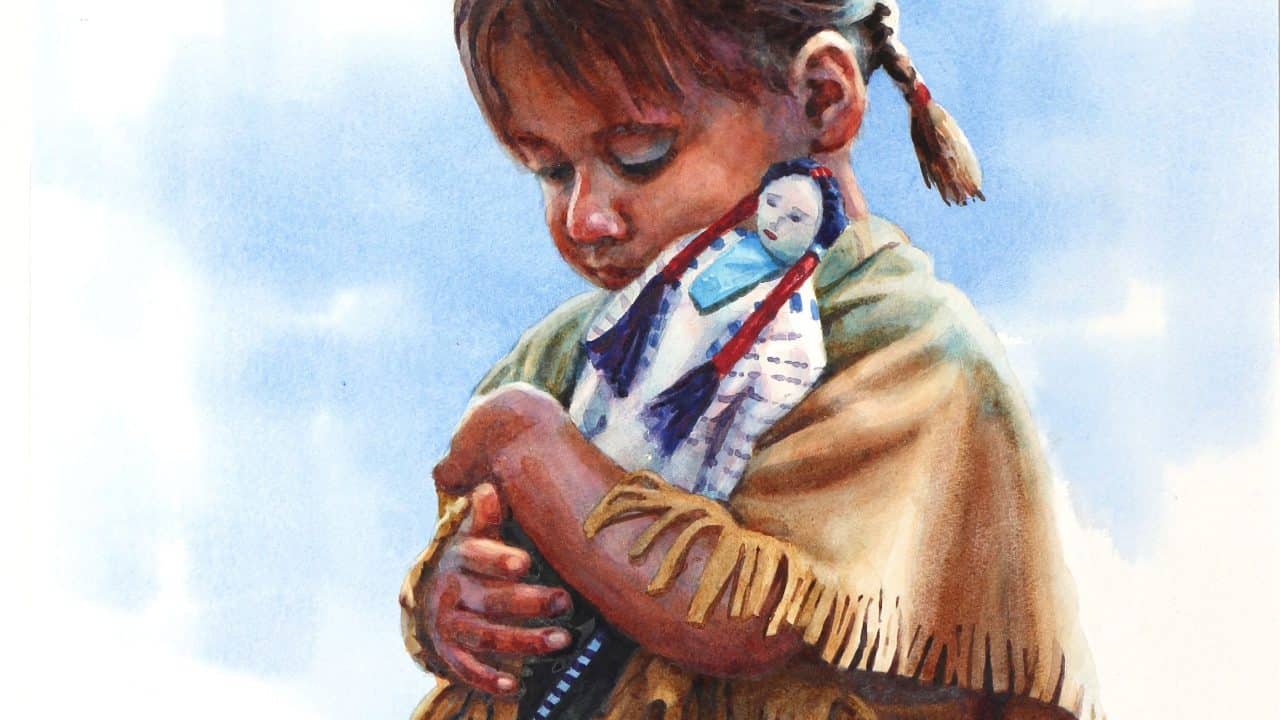
Oklahoma has a rich and diverse Native American history, with over 39 tribal nations calling the state home. For those looking to experience this heritage firsthand, Woolaroc Museum & Wildlife Preserve stands out as one of the most unique and respected Native American museums in Oklahoma.
Located just outside Bartlesville in the scenic Osage Hills, Woolaroc offers visitors an unparalleled opportunity to explore Native American culture, art, and history in a breathtaking natural setting.
Planning your next museum visit? Explore admission and hours here and discover why Woolaroc belongs at the top of your Oklahoma itinerary.
Experience the History and Culture of Native American Communities
The Woolaroc Museum is home to one of the most extensive collections of Native American artifacts and art in the region. From intricately crafted beadwork and ceremonial objects to traditional clothing, tools, and artwork, the museum showcases the artistry and heritage of Indigenous peoples across the American West.
Visitors will discover cultural pieces representing a wide range of tribes, offering insight into both historic and contemporary Native American life. Through these exhibits, Woolaroc helps preserve the stories, craftsmanship, and traditions that continue to shape Oklahoma’s identity today.
Want to learn more about Woolaroc’s broader museum exhibits? Visit the Woolaroc Museum page for a detailed look at what you’ll find inside.
More Than a Museum: Explore the Preserve and Wildlife
While Woolaroc is proud to be recognized among Native American museums in Oklahoma, its cultural offerings extend far beyond the walls of the museum itself. The surrounding 3,700-acre wildlife preserve provides a unique way to connect with the land, offering a glimpse into the natural landscapes that have been central to Indigenous life for generations.
Bison, elk, longhorn cattle, and other native species roam freely across the preserve, providing visitors with an immersive experience in Oklahoma’s diverse ecosystems. This connection to the land is a vital part of understanding the heritage of the Native American communities that Woolaroc honors.
Curious about the wildlife? Get a closer look at the Bison and Elk Wildlife Experience during your visit.
Woolaroc’s Role in Preserving Native American Heritage
Founded by oilman Frank Phillips in 1925, Woolaroc was originally a private ranch and retreat. Over the decades, it has evolved into a cultural institution, with a mission to celebrate and protect the rich history of the American West and Native American communities.
Through its museum exhibits, wildlife preserve, educational programs, and events, Woolaroc plays a vital role in ensuring that future generations have the opportunity to learn about and appreciate Native American heritage.
Want to dive deeper into the history of Woolaroc? Discover how Frank Phillips’ vision shaped this Oklahoma treasure.
Plan Your Visit to One of Oklahoma’s Top Native American Museums
For anyone interested in Native American culture, history, and art, Woolaroc offers an experience unlike any other in the region. With its combination of world-class museum exhibits and expansive wildlife preserve, it provides a well-rounded, educational, and unforgettable visit for all ages.
Whether you’re exploring on your own, bringing the family, or organizing a group tour, Woolaroc offers something for everyone.
Ready to experience Woolaroc for yourself?
- Purchase tickets and plan your visit today.
- Explore upcoming events to enrich your experience.
- Learn how to support Woolaroc and help preserve Oklahoma’s cultural heritage.
Woolaroc welcomes visitors from across the state and beyond to explore the incredible stories, artifacts, and wildlife that make it a leading destination among Native American museums in Oklahoma.


Susan says
I adore navajo turquoise pendants because they represent so much more than just fashion. The stone itself holds deep significance, symbolizing protection, wisdom, and balance. Wearing one of these pendants is like wearing a piece of history and culture.