
Tucked away in the rolling Osage Hills of northeastern Oklahoma, Woolaroc is home to one of the most remarkable wildlife preserves in the Midwest. Covering 3,700 acres of pristine land, this sanctuary is more than just a scenic escape—it’s a living testament to conservation, history, and the vision of its founder, oil tycoon Frank Phillips. With a diverse array of native and exotic animals roaming freely, the Woolaroc Wildlife Preserve offers visitors a chance to step back in time and experience the untamed beauty of the American frontier.
But this isn’t your typical wildlife park. Woolaroc’s preserve is a place where history and nature intertwine, where ancient bison still graze alongside longhorn cattle, and where visitors can glimpse animals rarely seen in the heartland of America. Let’s take a closer look at the extraordinary creatures that call Woolaroc home—and how they came to be part of this one-of-a-kind sanctuary.
The American Bison: The Kings of Woolaroc
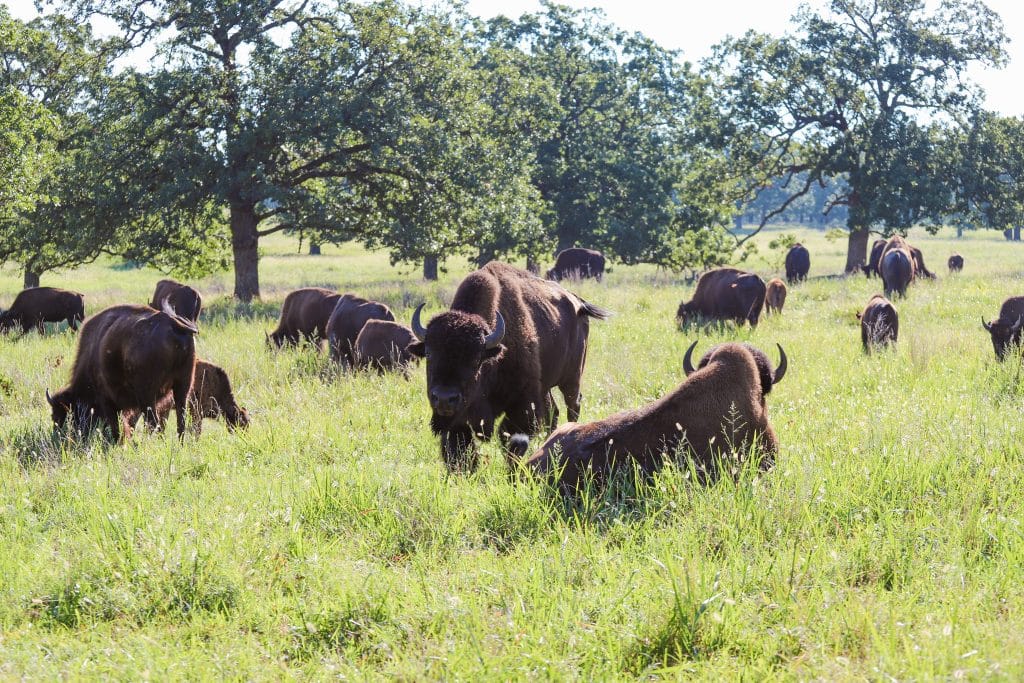
If there is one animal that defines Woolaroc’s spirit, it is the American bison. These massive, awe-inspiring creatures once roamed the Great Plains in the millions, but by the late 1800s, they had been hunted to near extinction. Recognizing the importance of preserving this iconic species, Frank Phillips introduced a bison herd to Woolaroc in the early 20th century, ensuring that future generations could witness these majestic animals up close.
Today, the bison remain one of Woolaroc’s star attractions. Weighing up to 2,000 pounds and capable of running at speeds of 35 miles per hour, these powerful creatures symbolize the resilience of the West. Visitors driving through the preserve often find themselves stopping in awe as a herd slowly crosses the road, a scene that feels like a glimpse into history itself. The sight of these towering animals, their thick fur coats rippling in the Oklahoma breeze, serves as a reminder of the land’s deep connection to the past.
The Elk of the Osage Hills
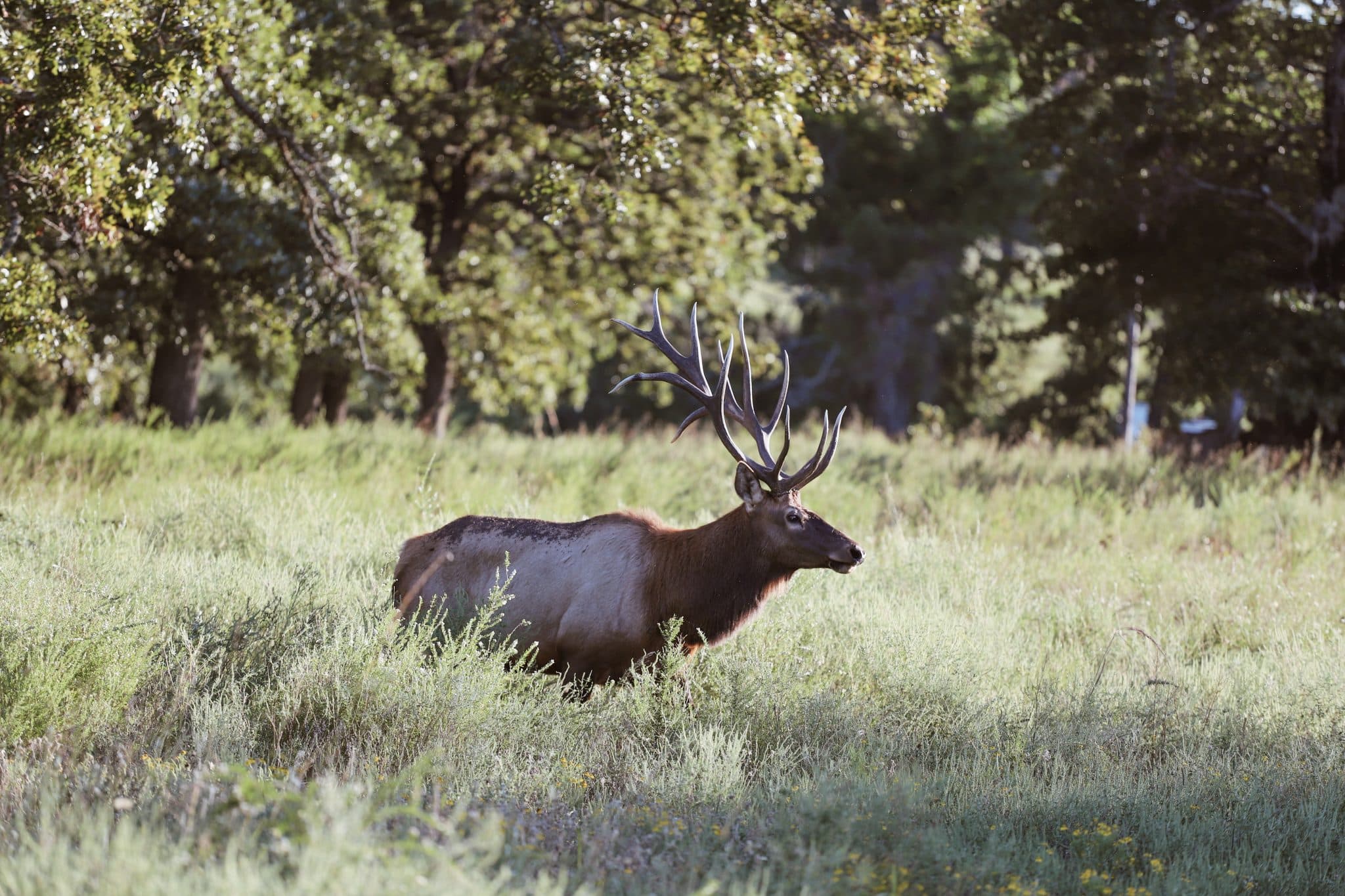
Another magnificent resident of Woolaroc’s preserve is the elk, one of the largest species in the deer family. Once abundant across North America, elk populations declined as settlers expanded westward. Frank Phillips, ever the conservationist, made it a priority to reintroduce elk to Woolaroc, providing them with a safe and natural habitat.
The elk at Woolaroc are a breathtaking sight, particularly during the fall mating season, known as the rut. During this time, male elk, or bulls, engage in dramatic displays of dominance, bugling loudly across the hills and clashing antlers in battle. The haunting call of a bull elk echoing through the preserve is one of the most unforgettable sounds of the wild—a true testament to Woolaroc’s dedication to preserving the natural world.
Longhorn Cattle: A Symbol of the Frontier
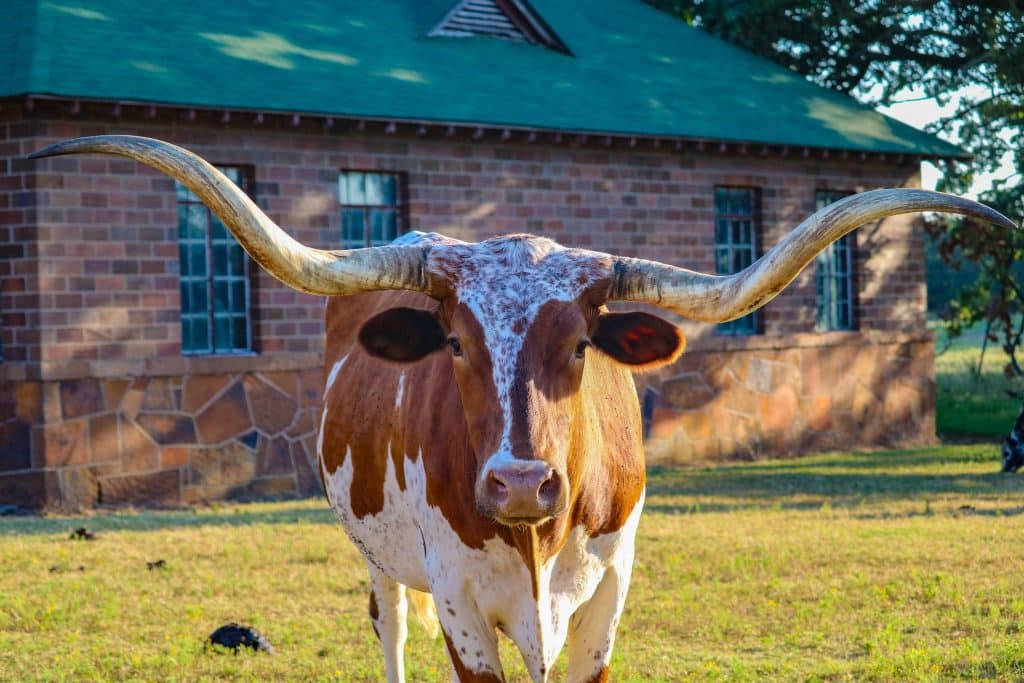
No Western landscape would be complete without the Texas Longhorn, a breed synonymous with cattle drives, cowboys, and the rugged spirit of the American West. These distinctive cattle, with their striking, curved horns that can span up to seven feet, are among Woolaroc’s most recognizable inhabitants.
Unlike bison and elk, which were reintroduced for conservation purposes, longhorn cattle were brought to Woolaroc as a nod to Oklahoma’s ranching heritage. Phillips wanted visitors to experience the sights and sounds of the frontier era, and few animals capture the essence of that time quite like the longhorn. Today, these hardy animals roam freely across the preserve, adding an authentic Western touch to the landscape.
Exotic Encounters: Zebras, Water Buffalo, and More

While Woolaroc is known for its native wildlife, some of its most surprising residents come from lands far beyond Oklahoma. Zebras, water buffalo, and even ostriches have found a home in the Woolaroc Wildlife Preserve, offering visitors an unexpected but fascinating experience.
The introduction of exotic species to Woolaroc was driven by Frank Phillips’ love of adventure and curiosity about the world. He was known to travel widely and, inspired by his journeys, he brought back animals that fascinated him. Over the years, Woolaroc became an unlikely but successful home for a variety of species not typically found in the American Midwest.
Visitors driving through the preserve may be startled to see a tahr goat grazing alongside a herd of bison, or an ostrich curiously watching from a distance. These unusual pairings make Woolaroc a truly unique destination, blending the best of Oklahoma’s native wildlife with unexpected global influences.
A Haven for Conservation and Education
Beyond offering breathtaking encounters with wildlife, Woolaroc serves an important role in conservation and education. The preserve is a living classroom where visitors, young and old, can learn about the importance of wildlife preservation, habitat protection, and the delicate balance of nature.
Programs and tours at Woolaroc provide insights into the behaviors and histories of the animals, teaching visitors how these creatures have shaped both the landscape and the culture of the West. The opportunity to observe these animals in a natural setting—not confined to small enclosures, but roaming freely—helps foster a deeper appreciation for the beauty and importance of conservation.
Tips for Experiencing Woolaroc’s Wildlife Up Close
For those planning a visit to Woolaroc, here are some tips to make the most of the wildlife experience:
- Take the scenic drive slowly: Many of Woolaroc’s animals roam freely, so take your time on the roads and be prepared to stop for crossing wildlife.
- Visit during feeding times: Early mornings and late afternoons tend to be the best times to see animals active and grazing.
- Listen for the sounds of nature: The bugling of elk, the snorts of bison, and the chirps of birds create an immersive experience unlike any other.
- Bring binoculars and a camera: Some animals, like elk and zebras, may be at a distance, and a good pair of binoculars can enhance the viewing experience.
- Respect the animals’ space: While the animals may seem calm, they are still wild creatures. Remain in your vehicles and avoid any attempts to feed or interact with them.
Woolaroc: Where Nature and History Meet
What makes Woolaroc’s wildlife preserve so special is not just the animals themselves, but the way they exist in harmony with the land’s deep history. Every bison that wanders across the hills, every elk that calls into the wind, and every longhorn that stands against the Oklahoma sky is part of a larger story—one that speaks to the conservation efforts, frontier spirit, and enduring legacy of Frank Phillips.
For those who visit Woolaroc, the experience is more than just a drive through a preserve. It’s a journey into a world where the past and present blend seamlessly, where the echoes of the Old West meet the ongoing efforts to protect and appreciate the natural world. Whether it’s your first visit or your tenth, there’s always something new to discover in the wild heart of Woolaroc.

Leave a Reply